
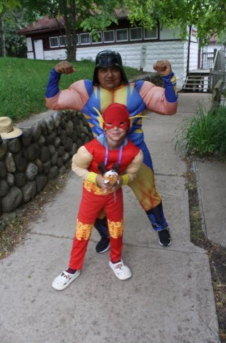
 For children who have experienced abuse, neglect, or abandonment, trust and confidence can be difficult to rebuild. Each summer in Racine County, Wisconsin, Racine Royal Family KIDS Camp offers something powerful: a week where children are seen, celebrated, and reminded that they matter.
Thanks to a grant from the Wispact Foundation, the camp will continue providing this life-changing experience for children in foster care and other difficult circumstances.
A Camp Designed for Healing
Racine Royal Family KIDS Camp serves children ages 7–11 who have been removed from their homes due to abuse, neglect, or abandonment. The camp’s mission is simple but profound: rebuild trust through relationships and give KIDS the chance to simply be children again.
Each camper receives individualized attention with a 1-to-2 counselor-to-camper ratio, creating meaningful connections that help children feel safe and supported. During the week, campers participate in activities like fishing, swimming, boating, crafts, woodworking, and games. They also celebrate their birthdays with a carnival-style party—an experience many have never had before.
By the end of the week, many children who arrived shy and withdrawn find the courage to participate in the camp’s variety show.
“It’s one of my favorite parts of camp,” said co-director Susan Toeller, who runs the program with her husband Rick. “You can see a meaningful transformation in their lives in less than a week.”
Extending Support Beyond the Summer
The impact of the camp doesn’t end after one week. In 2016, the organization launched a Mentoring Club that meets monthly from September through May. The program helps foster children work through trauma-related challenges in supportive, creative ways through games, crafts, music, and discussion. The program has been incredibly successful—about three-quarters of campers sign up for mentoring after attending camp. The mentoring sessions also help children better understand and manage their emotions, something many have never been taught due to unstable home environments.
Stories That Show the Impact
The relationships formed at camp can be life-changing. One camper, “Tom,” had already experienced tremendous loss in his young life. After his foster mother passed away unexpectedly, his camp counselor—who lived in another state—traveled to attend the funeral. When Tom saw him arrive, he ran into his arms, the first time he allowed anyone to comfort him during the tragedy.
The counselor later began traveling monthly to Wisconsin to continue mentoring Tom through the program.
Another story highlights the powerful connections campers develop. When two girls who had been adopted were offered a trip to Disney World, they initially refused—because it conflicted with camp week. Their parents ultimately rescheduled the vacation so they could return to camp.
“It made me realize,” Toeller said, “that it’s the personal relationship—having someone beside you cheering you on—that means the most.”
A Community Effort
Racine Royal Family KIDS Camp typically serves about 40 children each year, many of whom return year after year. Some former campers have even come back as staff and counselors themselves.
The program relies heavily on volunteers and community support. One of the greatest needs right now is male counselors, who serve as positive role models—particularly important since there are significantly more boys than girls in foster care in Racine County. Local organizations and donors also sponsor activities, supplies, and special experiences throughout the week.
Changing the Trajectory of a Child’s Life
For Toeller, the camp’s impact comes down to one simple belief: a child’s starting point does not have to define their future.
“We appreciate Wispact’s involvement in helping KIDS have a better trajectory,” she said. “If someone can help give them a vision for something better, it can change everything.”
Through partnerships like the one with the Wispact Foundation, Racine Royal Family KIDS Camp continues to provide hope, healing, and lasting relationships for children who need it most.